

 English
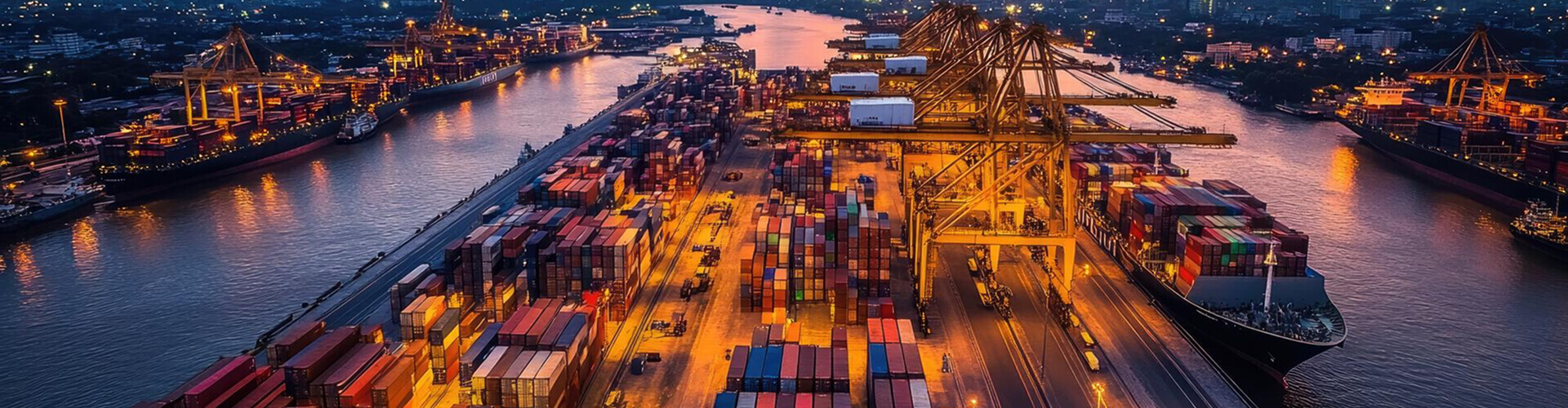

Logistics as a key element in international trade
In foreign trade, logistics is not just an operational process but a strategic component that determines the success of an entire operation. From cargo coordination to final delivery, every stage must be carefully managed to ensure efficiency, reliability, and competitiveness in global markets.
Planning and coordination: the starting point
An efficient export operation begins with precise logistical planning. This includes defining routes, transit times, transportation methods, and proper storage conditions depending on the type of product. In the case of agro-industrial goods, this becomes even more critical due to their sensitivity and specific handling requirements.
- Strategic route planning
- Optimization of loading and dispatch times
- Selection of appropriate transport methods
- Coordination with ports and logistics operators
Impact on costs and competitiveness
Efficient logistics helps reduce operational costs and improves product competitiveness in destination markets. Delays, documentation errors, or coordination failures can generate significant additional expenses, directly affecting profitability.
For this reason, export-oriented companies prioritize working with reliable logistics structures capable of adapting to different markets and commercial conditions.
Commitment and reliability
In international trade, meeting agreed deadlines is essential. Buyers highly value suppliers who consistently deliver on time and as agreed. Logistics management plays a fundamental role in ensuring this level of reliability.
Well-executed logistics allows companies to:
- Avoid shipment delays
- Ensure product availability at destination
- Reduce operational risks
- Strengthen business relationships
Adapting to global markets
Each market presents different logistical challenges. Customs regulations, port infrastructure, and sanitary requirements vary depending on the destination, requiring companies to adapt their operations accordingly.
In this context, experience and deep knowledge of international trade are essential to successfully manage each shipment.
Conclusion
Logistics is a fundamental pillar of foreign trade. It not only ensures that products reach their destination but also guarantees efficiency, competitiveness, and reliability in every operation. Companies that optimize their logistics processes are better positioned to grow and succeed in international markets.